
Blog Details
We Are the Righteous Brand Collective: How Our Community Is Forging the Culture
A clothing label is only as powerful as the people who wear it out into the world, and it’s here that the real story of We Are Righteous begins. This is not a brand shaped solely through advertising spend norinfluencer gifting. Instead, it is a brand shaped in reply threads, in group chats, in resell forums, and in how folks tag one another under a single righteous hoodie post. The core mechanism has turned into the community itself, while the merchandise merely offers folks cause to convene. Upon close inspection of how this fanbase took shape, one notices a pattern that mirrors other durable streetwear brands: a tight circle of first adopters who debate, discuss, and ultimately turn strangers into buyers.What makes this certain community fascinating is how outspoken it is about honesty. Folks go beyond simply posting look shots; extended, uncompromising review threads get written, breaking down the stitching, the fit, and the post-ten-wear wash results. Since this kind of examination is unusual, the brand has been forced to remain answerable — a level of accountability advertising alone never could deliver. Buyers, in practice, jointly oversee quality control, creating a feedback cycle — and attention gets paid by the brand given that the community is the channel of distribution.
Where the Community Actually Finds Its Home
This the brand’s community is spread out across a small cluster of distinct platforms instead of any single go-to space, and such distribution is a conscious choice. The Instagram feed holds the look-and-feel, with community members posting outfit posts and mentioning the brand handle for a chance at a repost. Chat groups modeled after Discord and private forums hold space for the deeper conversation, where restock timing, fit inconsistencies, and what’s coming next get analyzed sentence by sentence. Discussions on Reddit and independent blogs occasionally turn up a we are righteous review that goes into a deeper level of analysis than a product page ever would.Newsletter subscriptions still matter here as well, which surprises people who assume younger shoppers ignore inboxes. Early access to limited runs is frequently the top reason behind list signups, because the community has learned that standout gym shorts clothing releases sell out in a hurry and almost never get restocked in that identical color option. Because production runs really are limited, this shortage isn’t manufactured buzz—and followers don’t take that lightly. Missing a drop by six minutes has become something of a running joke in fan circles, half frustration and half badge of honor.
Neighborhood meetups have additionally taken to appearing in a handful of cities, coordinated informally by enthusiasts instead of the brand itself. Such gatherings are intimate meetups, on occasion under twenty attendees, centered on exchanging garments, cross-checking sizing across different lines, and shooting looks as a group. It is organic in the purest sense, and it tells you a great deal about devotion when people arrange their own events around a fashion brand with no prompting from the company.
Community-Created Content as the True Promotional Engine
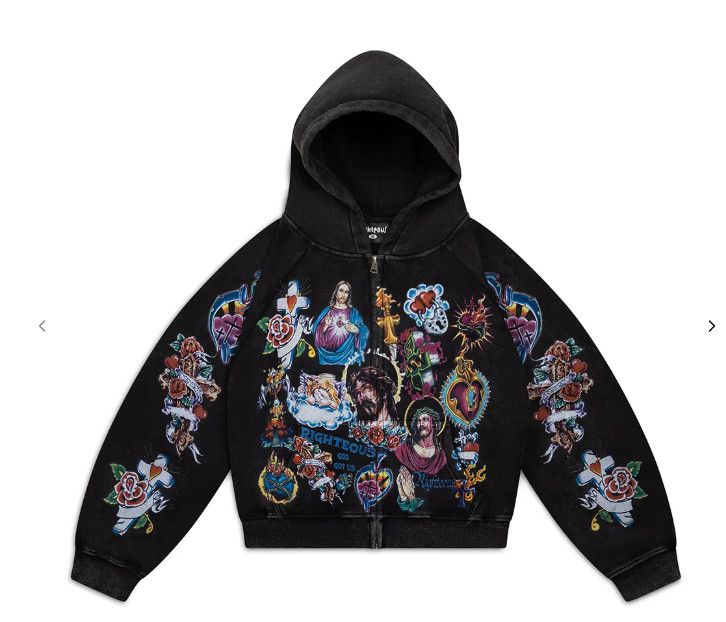
Talk to anyone who follows streetwear with any real interest and they will tell you that user-generated content now outperforms paid campaigns for brands at this point of growth. We Are Righteous benefits enormously from this pattern. Since it originates from someone the community already believes in, a single carefully composed photo of the righteous hoodie paired with contrasting outerwear can outperform a professional shoot. Customers are not paid influencers in most cases; they are customers who liked how a garment fit and wanted to flaunt it.
Unlike a brand’s own photography, such material shows actual bodies, real lighting, and genuine everyday context. A person wearing a piece on a commute, at a event, or on a weekend getaway demonstrates shape and drape more convincingly than a managed studio shot. That realness is specifically why so many customers now look up a righteous review before buying anything, favoring a third party’s candid take over marketing copy. The fanbase has effectively become the brand’s most credible sales team, though uncompensated, deeply invested.
Also worth mentioning is a additional effect. Fans creating content frequently compares pieces against other brands they own—unintentionally producing free competitive analysis for readers. A shopper researching righteous clothing brand quality can, within a few scrolls, see it stacked up against a handful of other names in the comparable price bracket. Ten years back, transparent, informal comparison shopping did not exist in fashion, and it has since raised the bar for everyone, not excluding this one.
Contrasting How Fan Communities Interact
Not every street fashion community behaves the same way, and understanding those differences clarifies why the We Are Righteous fanbase comes across as unique. The following table contrasts general engagement patterns across three standard community types in this space, based on visible behavior rather than company claims.
| Community Type | Primary Platform | Core Activity | Typical Post Frequency |
|---|---|---|---|
| Fan community of We Are Righteous | Instagram + private group chats | Fit checks, drop alerts, honest reviews | Multiple times a week around drops |
| Large mainstream streetwear community | TikTok | Trend-based haul videos, unboxing content | Every day, high volume |
| Niche resale/collector community | Forums and Discord | Verifying authenticity, tracking prices, trading items | Constant, minimal visual content |
This comparison shows that the We Are Righteous community sits somewhere between the high-frequency chaos of mainstream trend culture and the quieter, more technical world of collector forums. It is visual enough to feel current but detailed enough to feel trustworthy, and that balance is not something a brand can fully engineer on its own.
How Buyer Reactions Come to Influence the Product In Its Core Form
A frequently underappreciated element of this brand environment is how directly audience commentary directly influences choices around righteous apparel. Adjusted fit notes on subsequent product pages have historically been prompted by sizing complaints brought up in a review thread. Fans themselves informally track requests for restocks on specific pieces, alerting the brand directly once interest reaches a noticeable threshold. This is not a formal focus group process; it is more akin to an ongoing, unstructured conversation that happens to influence real outcomes.
Colorway decisions in particular seem to respond to what the community expresses. If a limited righteous hoodie release is gone in a matter of hours, supporters openly request that same colorway to return, and those requests stack up in comment sections until they are hard to ignore. Whether or not every request gets fulfilled, the openness of that demand guides how future runs get planned. It is a far more transparent relationship between shopper and label than the traditional top-down fashion model most people grew up with.
Sizing reliability has become a particularly common topic of conversation. As the community cross-references multiple buys, patterns show up quickly — whether an item fits as expected, runs a touch large, or works best layered. Before making a purchase, new shoppers researching righteous clothing tend to favor these shopper-gathered sizing notes beyond the official size chart on its own, treating the group’s consensus as a second layer of confirmation.
2026 Draws Near: What It Signals
As the brand advances deeper into 2026, the community energy appears poised to intensify rather than fade. More cities are seeing casual meetups take shape, a growing number of independent reviewers are releasing thorough analyses, and an increasing number of newcomer buyers are arriving already primed by another shopper’s candid righteous-review testimonial rather than cold advertising. Compared to what most fashion brands encounter, this customer journey is notably distinct — and it raises the bar for product quality to continue keeping pace with the chatter unfolding alongside it.
Fans increasingly expect that the brand will remain attentive, instead of just cranking out product. Whenever input results in an update, communities shaped by this kind of engagement anticipate acknowledgment—however minor, such as a post caption referencing a popular request, given that silence doesn’t sit well with them. Such anticipation raises the stakes but also deepens loyalty, because people stay invested in brands that visibly respond to them.
In the end, the vibe that’s grown around We Are Righteous has been shaped by dialogue far more than by ad pushes. Rather than any single campaign, it’s shoppers swapping fit notes, arguments over sizing, meetups fans set up themselves, and independent, unpaid reviews that have really defined the brand’s identity. That grassroots foundation is fragile in some ways, since it depends entirely on continued trust, but it is also uniquely resilient. A community that builds itself tends to defend what it built, and that dynamic is likely to keep shaping this brand well beyond the current year.
Leave A Comment